
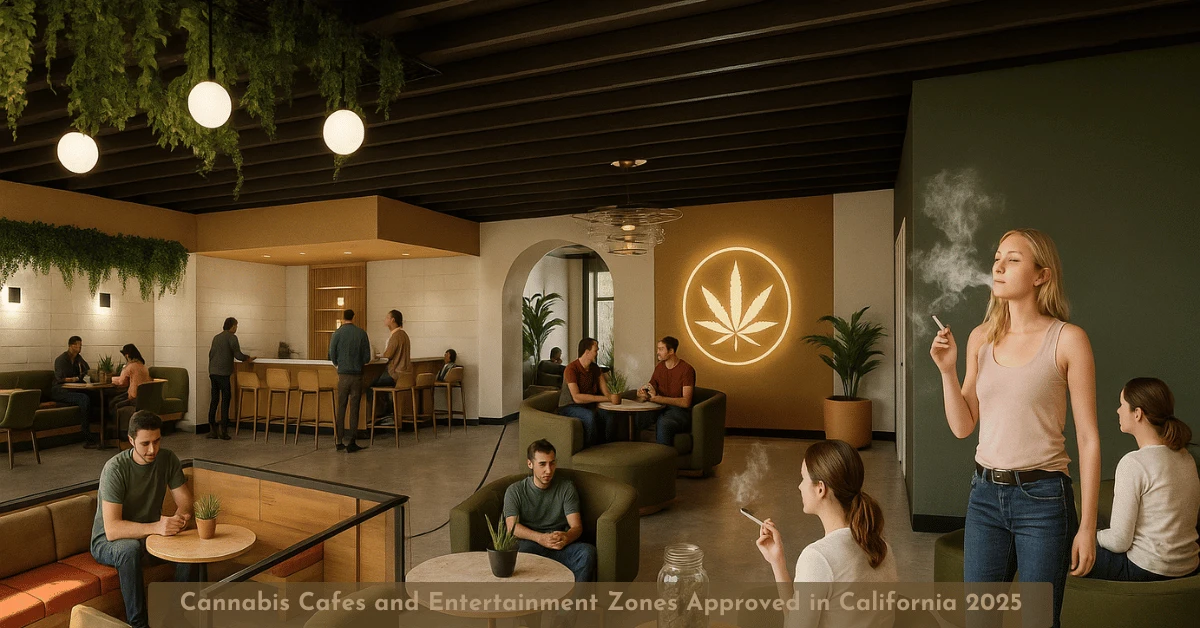
California is stepping into a new era of nightlife and cannabis culture with the introduction of two groundbreaking laws effective January 1, 2025. The changes will allow for expanded alcohol sales in entertainment zones and the launch of Amsterdam-style cannabis cafes, bringing fresh opportunities for local economies and communities still recovering from the COVID-19 slowdown.
Entertainment Zones to Boost Foot Traffic
Under Senate Bill 969, authored by Senator Scott Wiener, local governments can now designate “entertainment zones” in which restaurants and bars are permitted to sell alcoholic drinks for consumption on public streets, sidewalks, and outdoor areas.
San Francisco previously piloted this concept during its 2023 Oktoberfest celebrations, and results were striking: foot traffic increased by more than 10 times compared to the prior year. Supporters believe the new law will replicate this success across California, revitalizing downtown areas, small businesses, and local tourism.
Critics, including the California Alcohol Policy Alliance, caution that increased public alcohol access could raise concerns around drunk driving and alcohol-related health issues. Nonetheless, the law reflects a strong push to reenergize community life and strengthen post-pandemic recovery efforts.
Cannabis Cafes Become a Reality
The second major change comes through Assembly Bill 1775, which officially legalizes cannabis cafes in California. For the first time, cannabis lounges will be able to sell fresh food and beverages, moving beyond pre-packaged items to create full café-style experiences.
Assemblymember Matt Haney, who championed the bill, highlighted the cultural and economic benefits:
“Many people want to enjoy legal cannabis socially—over coffee, food, or music. Cannabis cafes will bring huge creative and economic opportunities to California.”
AB 1775 also includes important worker protections against secondhand smoke exposure, a key reason why earlier versions of the bill faced vetoes. By balancing public health concerns with consumer demand, the new law sets the stage for Amsterdam-inspired cannabis culture to flourish legally in the U.S.
Read also: Thailand to Approve Only Medical-Grade Cannabis as Industry Expands
What This Means for the Cannabis Industry
For cannabis businesses and investors, these laws represent a shift in how cannabis integrates with mainstream culture. Key takeaways include:
-
Cannabis Lounges Evolve – Lounges can now operate more like traditional cafes, creating vibrant social hubs.
-
Economic Growth Potential – Both alcohol entertainment zones and cannabis cafes are expected to increase tourism, nightlife activity, and job creation.
-
Changing Consumer Habits – Consumers will have more choices for social consumption experiences, moving away from private-only use.
-
Model for Other States – California often sets regulatory trends; these laws may inspire similar cannabis café frameworks nationwide.
Bicaro Holding’s Perspective
At Bicaro Holding, we believe cannabis cafés represent a global shift toward cultural acceptance and economic growth in cannabis markets. While this development is in California, it signals the direction of worldwide cannabis reform—emphasizing regulated, safe, and community-driven cannabis experiences.
As we continue our work in Thailand’s sustainable cannabis cultivation and wellness tourism, such policies reinforce the importance of innovation, compliance, and customer-focused cannabis experiences.